Hinges
151 products


151 products
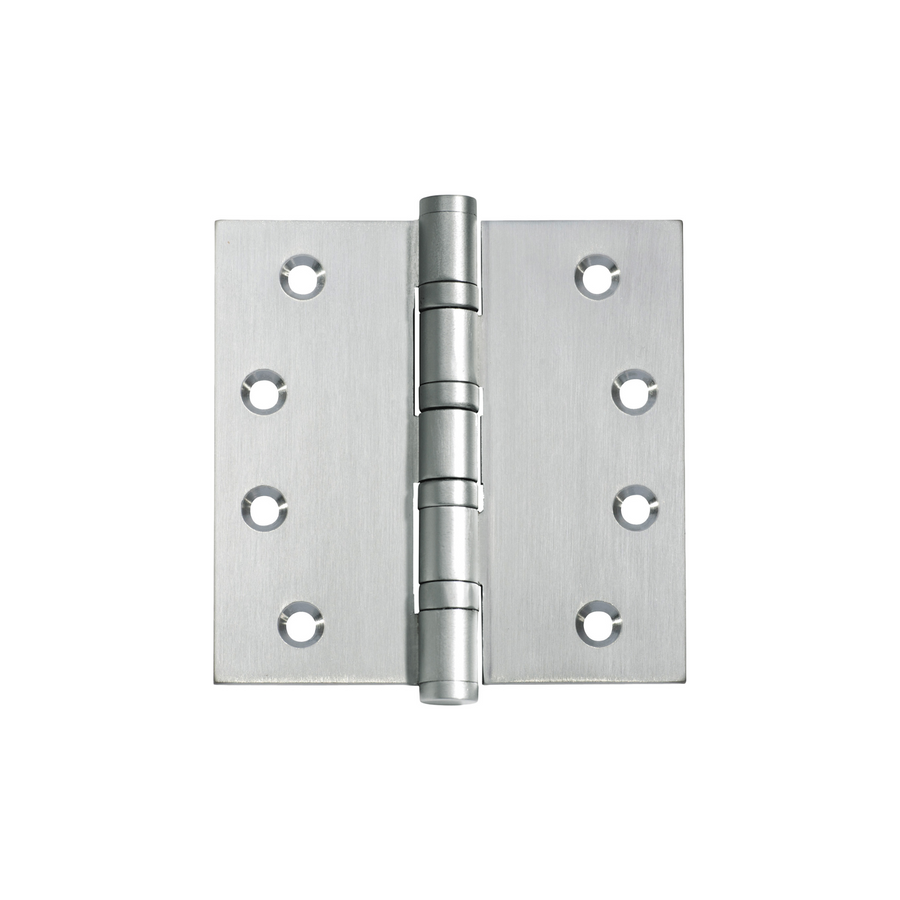
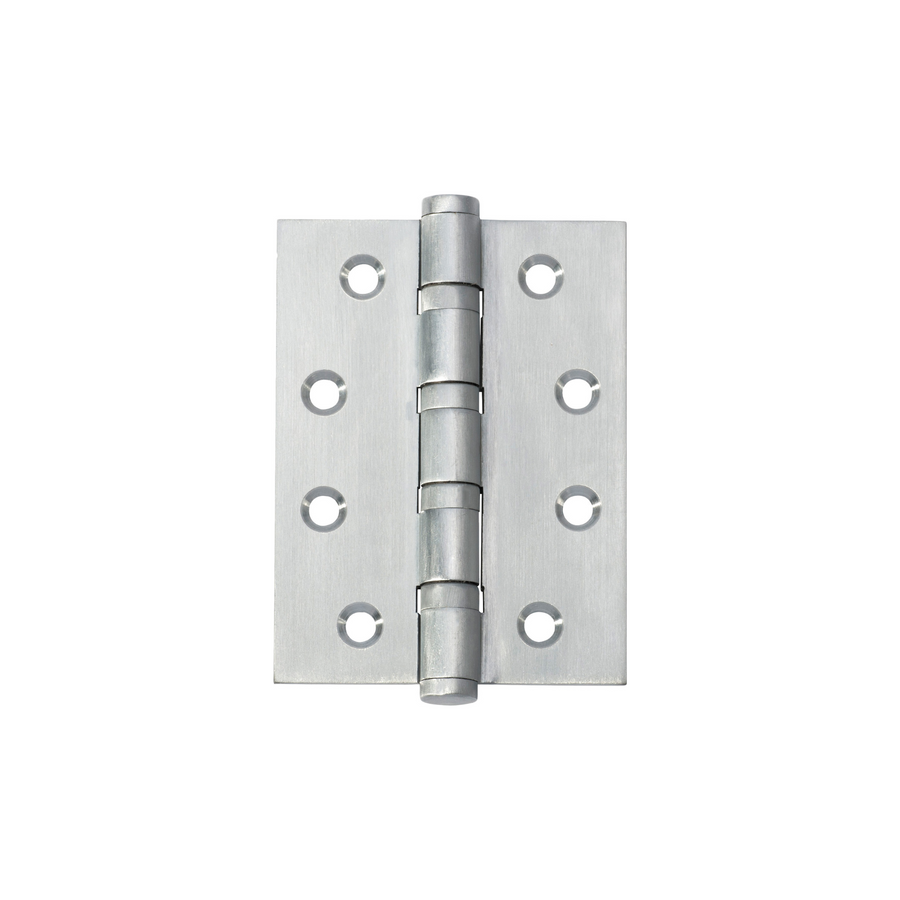
Ball bearing hinges have ball bearings that make their operation smoother. They're recommended for heavier doors.
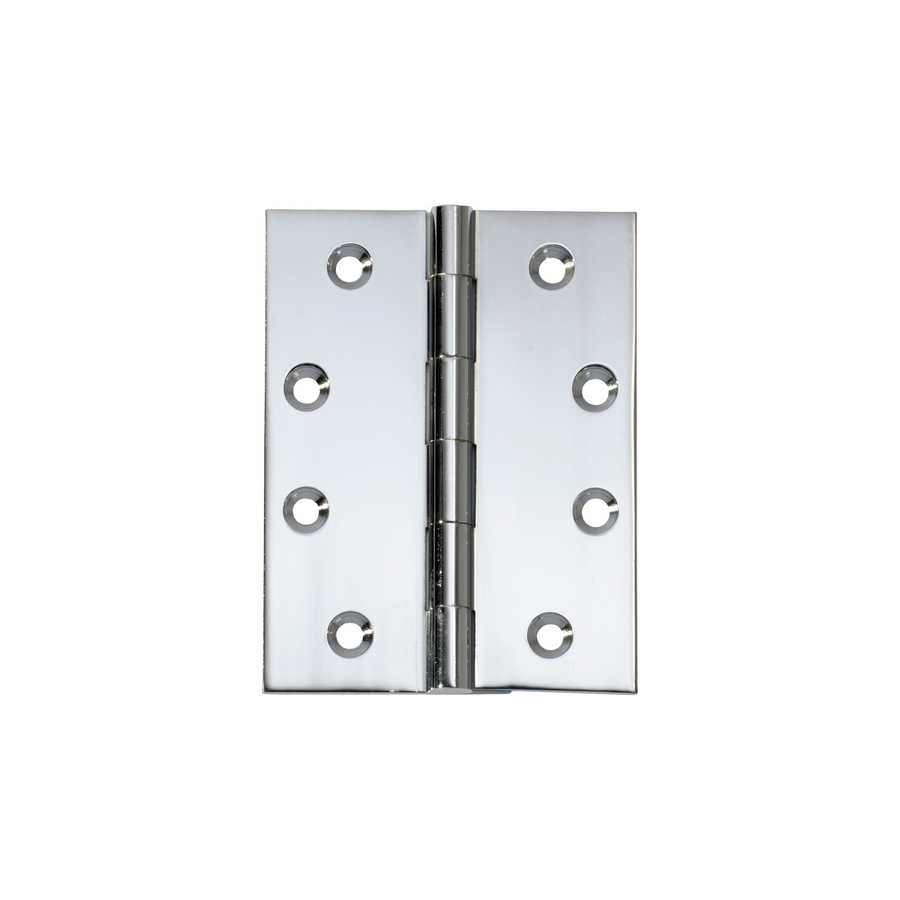
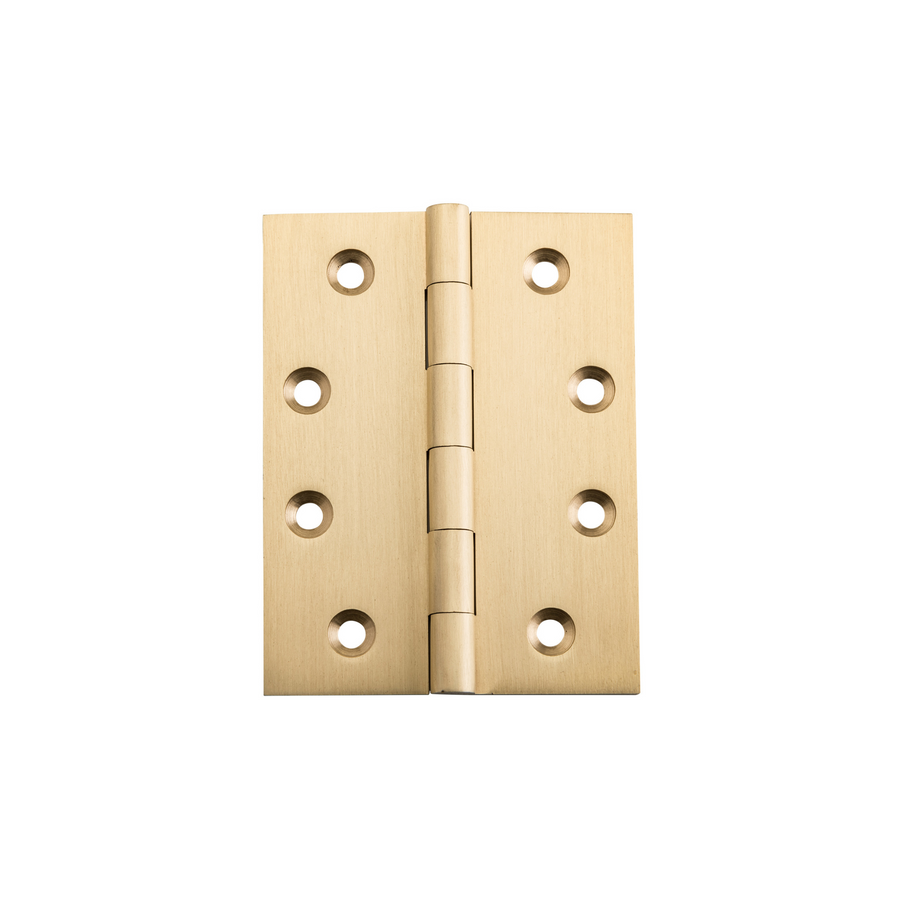
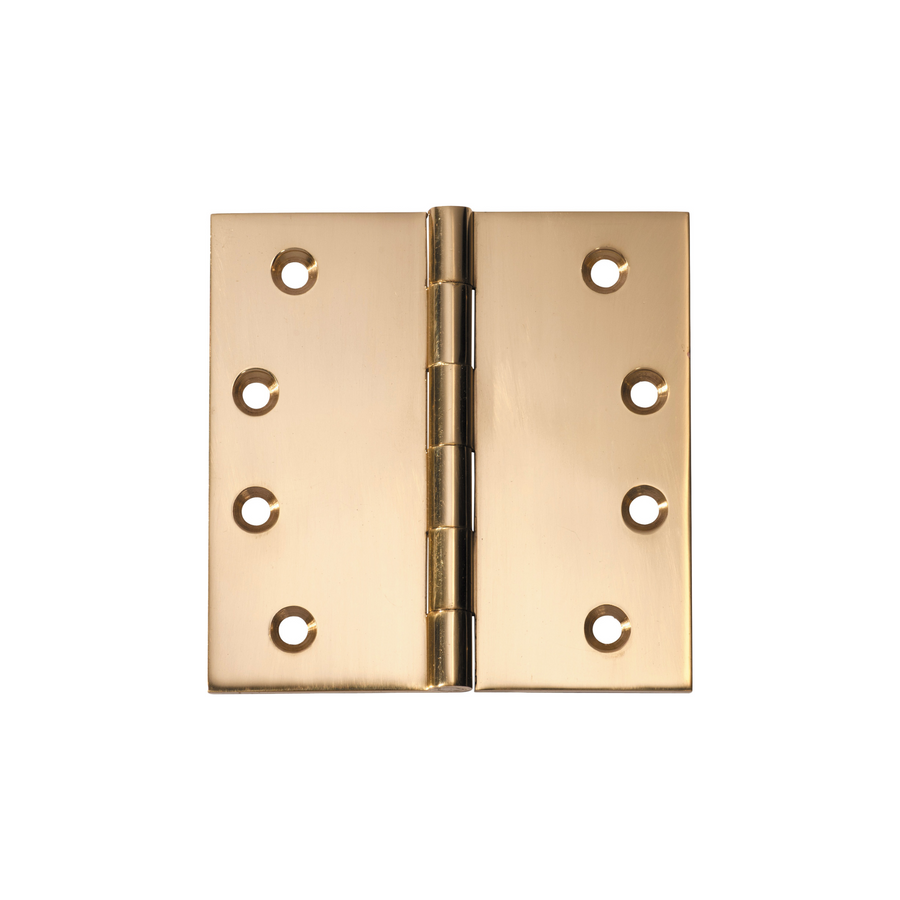
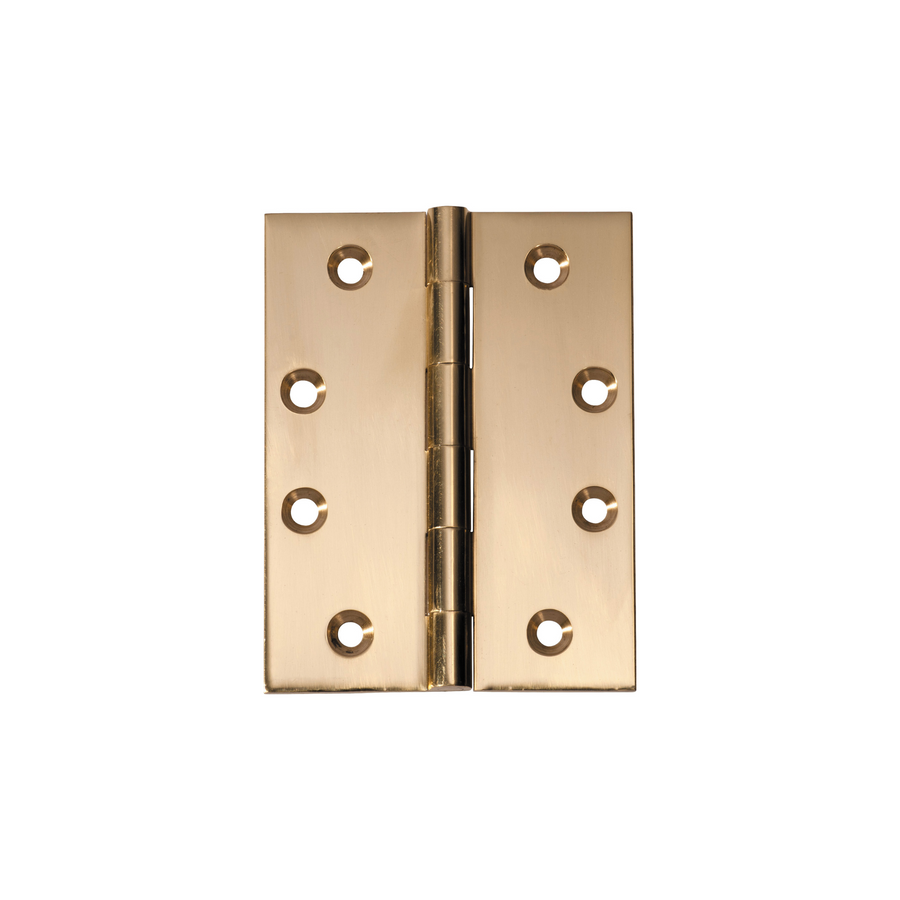
Butt hinges are traditional hinges that are checked into both the edge of the door and the jamb.
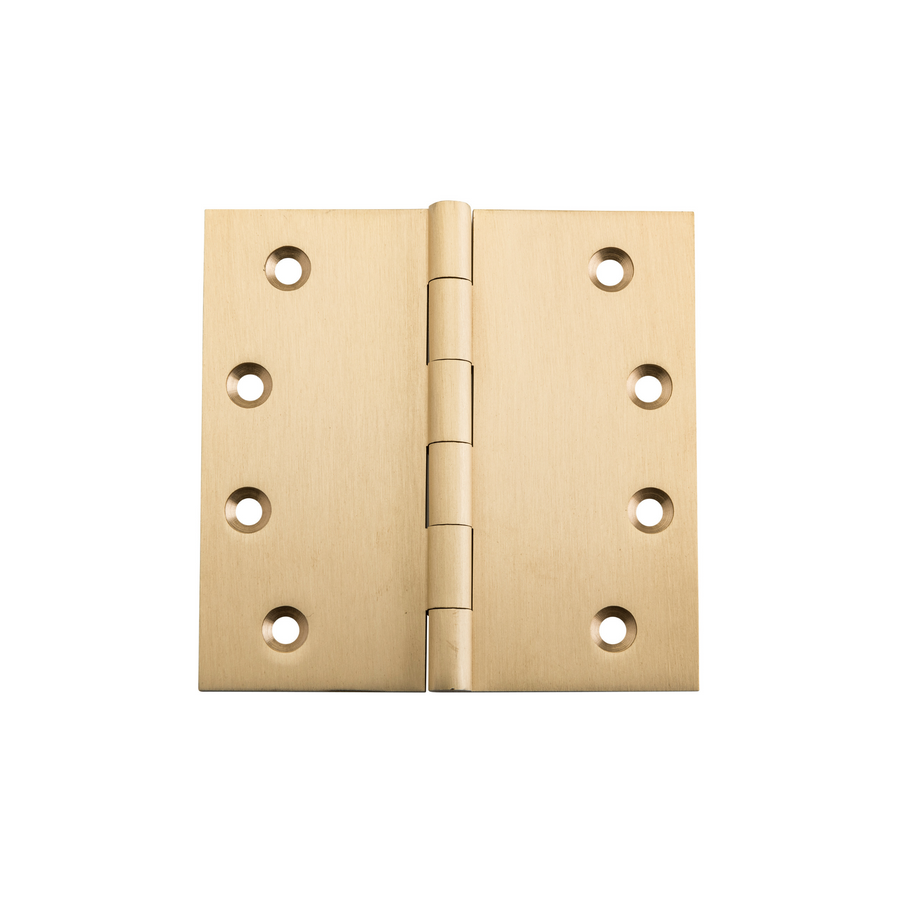
Broad butt hinges are wider than they are high (for example, 100mm high x 125mm wide). They're used when you need the door to swing past something like an architrave, in order to lay flat against a wall.
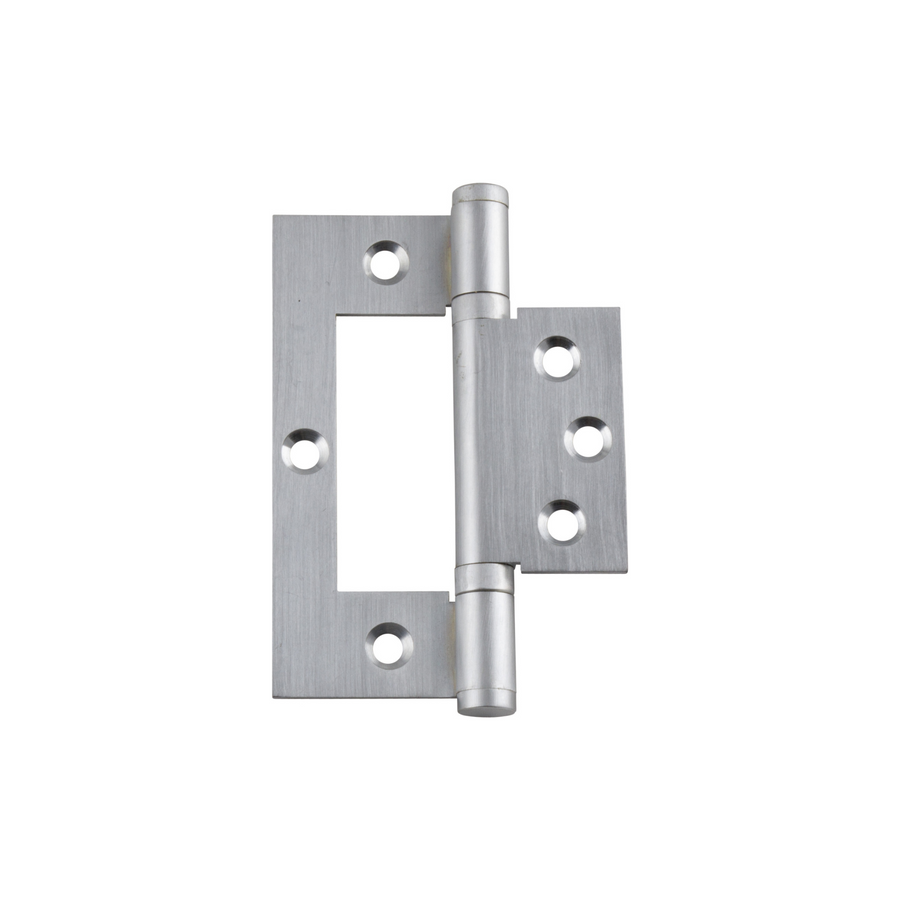
Hirline hinges (sometimes called easy-fit hinges) are simply screwed to the door and the jamb. When the door is closed, the hinge effectively folds into itself.
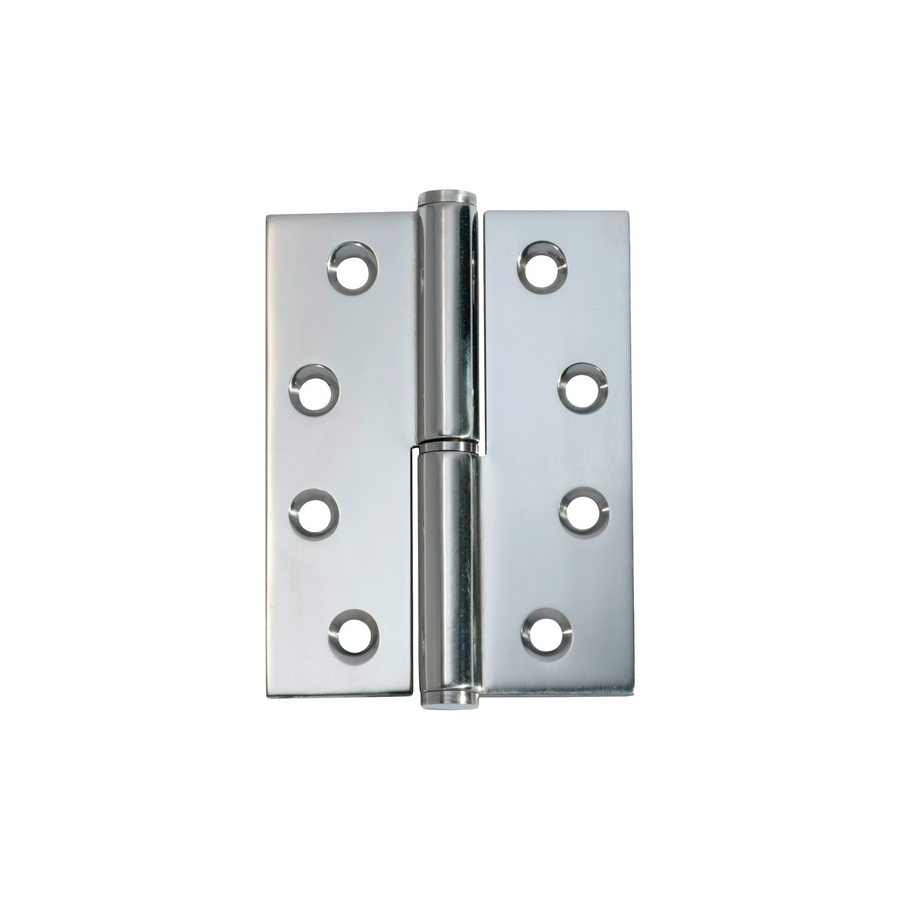
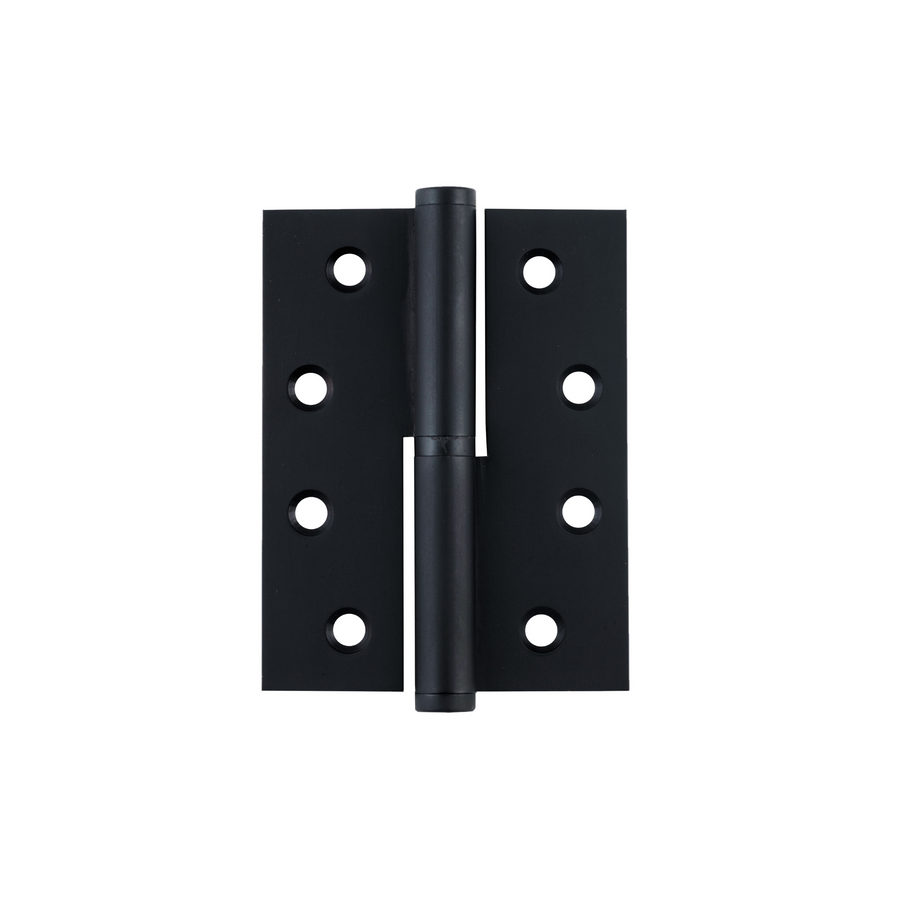
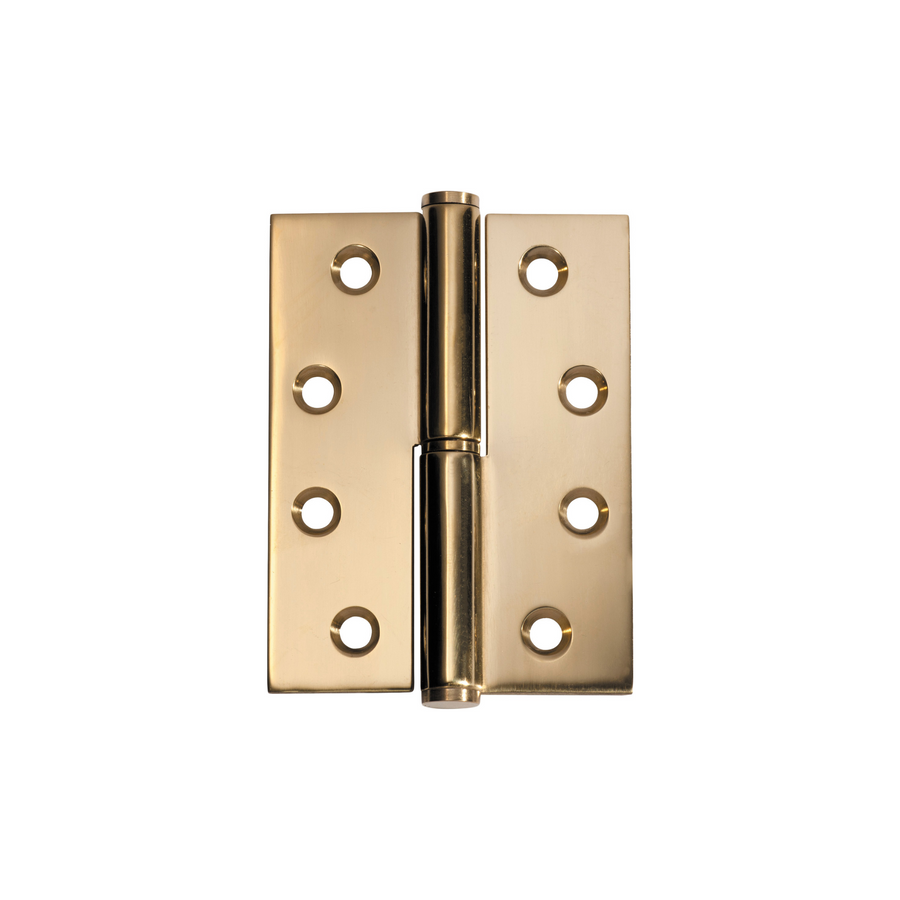
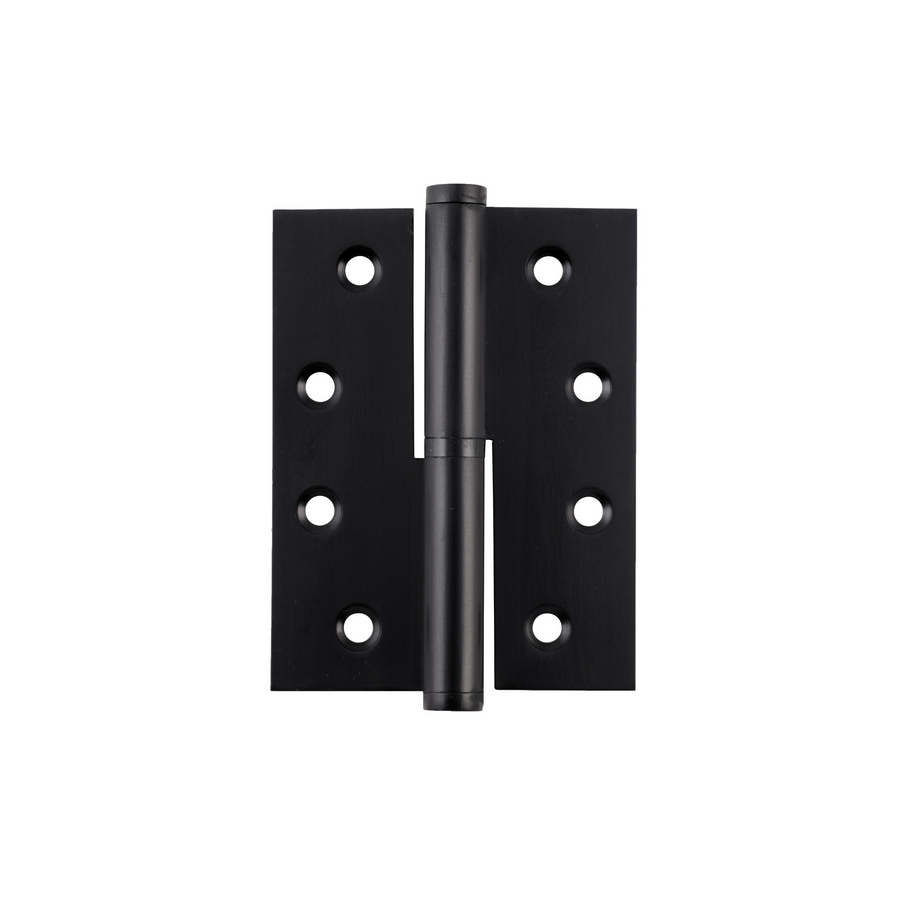
Lift-off hinges are commonly used in bathrooms as they allow the door to be removed from the outside in the event of an emergency when the door is locked. A larger than normal gap at the top of the door is required when using lift-off hinges.
Loose pin hinges have a pin that can be pulled out that separates the two leaves of the hinge, therefore allowing a door to be removed. They commonly have a finial at the top and bottom. They shouldn't be used on outward opening external doors, as someone could remove the pin (and therefore the door) to gain access.
Parliament hinges are a type of hinge that have a cut-out at the top and bottom. This reduces the physical bulk that protrudes when a door is closed. They're most commonly used on French doors when you want them to sit flat against the wall.
Hinge size depends on door thickness and weight. For example, if you're using traditional butt hinges, a 35mm door typically requires 100 x 60mm hinges, while a 40mm door usually requires 100 x 75mm.
If you're using hirline hinges, you would need 89mm x 35mm for a door that's 35mm thick or 100mm x 49mm for a 40mm door.
If you need a door to go back flat against the wall (for example, if you have outward opening French doors), the hinge width required will be greater and will depend on what you need the door to throw beyond (for example, an architrave).
Whilst standard height internal doors (2040mm) often only have two hinges, three are recommended by many door manufacturers, particularly if they are solid or glazed. External doors should have three hinges. Taller doors will often require four hinges.
Yes. Hinges are visible and should be considered part of the overall scheme. A mismatch in finish is surprisingly noticeable. If your builder is supplying the hinges, be mindful of the possibility that they'll just use stainless steel hinges. It's often best to just ask your builder what type and size of hinge you need and order them yourself with the rest of your door hardware. That way you can be sure they'll match.
Sometimes, but often they're the wrong finish and won't match your new hardware. It’s worth checking before making assumptions.
Yes. Hinge sizing and finish selection are included when I prepare a complete door hardware plan as part of my Door Hardware Concierge Service.